Column · @emilioifhu385
Septic Engineering and Design in Wantage NJ for Homes With Unique Water Usage Needs
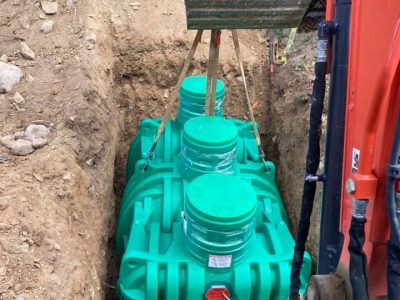
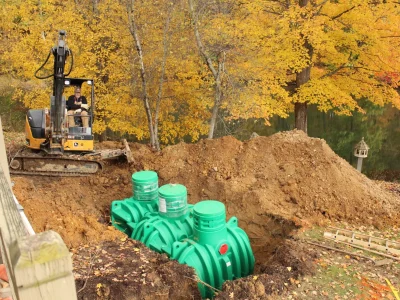
Septic systems are often discussed as if every house uses water the same way. In practice, that is rarely true, especially in a place like Wantage, where housing types, lot conditions, family patterns, and property uses can vary quite a bit from one road to the next. A three-bedroom colonial with two adults and predictable daily routines does not place the same demands on a septic system as a multigenerational household, a home with seasonal guests, a property with a large soaking tub and high-capacity laundry setup, or a house that doubles as a working farm office.
That gap between standard assumptions and real-world usage is exactly where good septic engineering matters. Thoughtful septic engineering and design in Wantage NJ is not just about meeting a code minimum. It is about matching the treatment system to the actual hydraulic load, the site constraints, and the long-term habits of the people living there. When that work is done well, the system performs quietly in the background for years. When it is rushed, oversized in the wrong way, undersized in the obvious way, or poorly matched to the soil, the homeowner starts paying for those decisions in repairs, odors, wet spots, backups, and avoidable stress.
Why unique water usage changes the design conversation
Most baseline septic designs begin with bedroom count because bedrooms serve as a practical proxy for potential occupancy. That is a reasonable starting point, but only a starting point. In the field, I have seen homes with four legal bedrooms and modest water use that barely strain a conventional system, and I have seen two-bedroom homes generate intense surges because the owners run a home salon, host extended family every other weekend, or process large volumes of laundry in compressed time windows.
The problem is not simply total gallons per day. Timing matters just as much. A system can handle a certain average flow yet still struggle if that flow arrives in large bursts. Ten showers spread across a full day behave differently than ten showers, three laundry loads, and a dishwasher cycle all happening before noon. Septic tanks need detention time. Soil absorption systems need time for dosing, treatment, and recovery. If the water arrives too fast, solids can move farther than they should, the field can stay too wet, and treatment performance can slide.
In Wantage, this issue can be amplified by site-specific conditions. Some lots have favorable soils and enough usable area to give an engineer flexibility. Others are tighter, steeper, wetter, rockier, or constrained by wells, setbacks, driveways, accessory structures, and grading. The more unusual the household water pattern, the more important it becomes to design from actual conditions rather than assumptions.
What counts as “unique” water usage
Unique water usage does not always mean extreme usage. Sometimes it means uneven usage, specialized fixtures, or occupancy that swings dramatically through the year. A retired couple who host adult children and grandchildren for long summer stretches can create stronger seasonal demand than a larger household with stable routines. A home with a finished basement apartment, even if it is not a separate legal dwelling, may create water use patterns that differ sharply from the original design assumptions. The same goes for short bursts of heavy laundry, oversized tubs, body spray showers, water treatment backwash, or hobby activities that consume water regularly.
Here are a few common situations that deserve closer septic engineering and design Wantage NJ engineering review:
- Multigenerational households with more daily showers, cooking, and laundry than bedroom count alone suggests
- Homes with guest suites, frequent visitors, or seasonal occupancy swings
- Properties with high-volume fixtures such as soaking tubs, multi-head showers, or large-capacity washers
- Live-work homes with water use tied to a home business, subject to what local rules allow
- Houses where site limitations leave little room for design error
Each of these can be managed, but they should be identified up front. It is easier and cheaper to design for them at the beginning than to retrofit after the system starts showing signs of strain.
The Wantage site factors that shape septic design
Wantage sits in a part of Sussex County where you can encounter a wide spread of soil conditions over short distances. One lot may offer workable perc rates and decent separation to seasonal high water. Another may have shallow limiting zones, restrictive layers, or topography that sharply narrows the available disposal area. That variability is why blanket advice about septic systems tends to fail here.
A proper design process starts with the land, not with the tank catalog. Soil logs, percolation testing where applicable, seasonal high water evaluation, slope analysis, and a close reading of setbacks all matter. Wells, property lines, streams, wetlands, stormwater paths, and existing utilities need to be accounted for. On some properties, preserving room for a future replacement area is straightforward. On others, fitting both the primary and reserve areas while respecting code separations takes careful planning.
This is also where practical experience helps. Soil on paper can look one way and behave another once grading, runoff, roof drainage, and vehicle traffic enter the picture. I have seen otherwise serviceable disposal areas compromised because driveway runoff was directed toward them, or because homeowners unknowingly compacted the field area with equipment during a landscaping project. Good engineering does not stop at the test results. It asks how the site will actually function after the house is occupied.
Designing for flow, not just fixture count
A common mistake in residential septic planning is to focus on fixtures as if more fixtures automatically mean more septic capacity. Fixtures only tell part of the story. A six-bathroom house used by two people can generate less wastewater than a modest ranch occupied by a family of seven. The design needs to reflect realistic daily flow and peak conditions, while still satisfying regulatory requirements.
This is where the phrase septic engineering and design Wantage NJ should mean something more than a permit package. It should mean the engineer has taken the time to understand whether the household produces steady daily use, weekend surges, seasonal guest loads, or repeated high-volume events. It should also mean attention has been given to whether water can be spread out through timed dosing or buffering capacity, instead of hitting the disposal area all at once.
For many homes with unusual demand patterns, the tank itself plays a larger role than owners realize. Tank size, compartment configuration, outlet protection, and access for maintenance can affect long-term system performance. Effluent filters, for example, are simple components, but they provide a meaningful line of defense against solids leaving the tank. They do need cleaning, and that maintenance should be discussed honestly with the owner. A feature only helps if people know it exists and can reach it without excavating the yard.
Conventional systems versus advanced options
Not every home with special water usage needs an advanced treatment system. In fact, a conventional gravity system on a favorable site is often the best outcome because it is simpler to maintain and generally less expensive to operate. But there are times when conventional layouts cannot provide enough reliability or flexibility.
Pressure distribution can be a strong option where even dosing across the disposal area would improve performance. A pump chamber and laterals designed for controlled distribution can reduce the tendency for one part of the field to take most of the load. On sites with limiting soils or tighter separation constraints, advanced treatment units may be considered where local standards allow them and where proper maintenance can be supported. Mound or at-grade systems may also come into play on difficult lots, although they bring additional design, installation, and cost considerations.
There is always a trade-off. Simpler systems typically have fewer mechanical parts and fewer service calls, but they need suitable site conditions. More complex systems can solve site and treatment challenges, yet they ask more of the owner over time. Pumps fail. Floats stick. Alarms need to be understood, not ignored. Service contracts and inspections become part of normal ownership. The best design is not necessarily the most sophisticated one. It is the one that fits the land, the usage pattern, and the owner’s willingness to maintain it properly.
The hidden issue of peak demand
Peak demand is where many underperforming systems reveal themselves. A system may appear fine for months, then struggle every holiday weekend or every time extended family visits. Homeowners are often surprised by this because they think in terms of monthly water bills, while septic systems react more sharply to concentrated loading over hours and days.
Picture a Wantage home that normally has two occupants. For three weeks each summer, six more family members stay over. There are daily showers, extra meal prep, a full dishwasher after every dinner, and laundry running back to back because kids come in muddy from the yard. That home is not experiencing a small bump in flow. It is operating under a different pattern altogether. If the system was designed only to the thinnest interpretation of minimum occupancy assumptions, performance margins may disappear fast.
That does not mean every guest-heavy home needs a commercial-grade setup. It does mean the engineer should discuss occupancy swings early. Sometimes the solution is design-related, such as a more robust dosing approach or a more forgiving layout. Sometimes the answer includes owner education, such as spreading laundry loads through the week and avoiding the habit of stacking all water-intensive chores into a single morning.
Water quality matters too, not just quantity
Engineers and homeowners often focus on gallons, but wastewater strength matters. A home office with ordinary restroom use may not change septic design much. A home-based activity that introduces unusual cleaners, oils, or other wastes is a different matter. Residential septic systems are intended for domestic sewage, and they do not respond well to inappropriate discharges. Even products marketed as flushable can create problems. Wipes remain a frequent issue. So do grease-heavy kitchen habits and harsh chemical dumping.
Water treatment equipment is another detail worth reviewing. Some softeners and filtration systems discharge backwash that can add flow to the septic system. Whether that flow is acceptable depends on volume, frequency, local rules, and the system design. It should not be treated as an afterthought. The same is true for sump pumps and roof drains, which should never be directed into the septic system. Those mistakes are more common than people think, and they can ruin field performance by hydraulic overloading alone.
Design coordination with the house itself
One of the more avoidable problems in septic work comes from treating the house plan and the septic plan as separate worlds. They are not separate. A large home with luxury plumbing features, basement bathrooms, and long sewer runs requires coordination early enough to avoid awkward or expensive changes later.
Sometimes the best septic outcome starts inside the house. Fixture selection can influence practical loading. Plumbing layout can affect whether gravity flow is possible or whether a pump is needed. The location of the house, driveway, well, and future additions can either protect the disposal area or squeeze it into a poor corner of the lot. I have seen projects where a slight shift in house placement opened up a much better primary and reserve field layout. That kind of improvement is hard to achieve once the foundation is already staked out.
For owners planning additions, accessory dwellings where permitted, or long-term aging-in-place features, those future intentions should be mentioned early. Septic capacity and reserve area planning are much easier when future needs are known before permits are filed.
Installation quality can make or break a good design
A solid engineering plan still depends on proper installation. Field elevations need to be right. Components need to be set level where required. Soil treatment area preparation needs to respect the design intent. Heavy equipment should not tear up or compact the receiving area beyond what the system can tolerate. Imported materials, if required, need to match specification. Small installation shortcuts can create long-term consequences.
This is especially true on sites with marginal conditions. A forgiving lot can absorb minor imperfections. A tight lot usually cannot. If the design relies on exact trench depth, pressure distribution, or carefully maintained separation to a limiting zone, then construction oversight matters. It is one reason homeowners benefit from working with professionals who communicate well across the design, permitting, and installation phases instead of handing off a plan with little follow-through.
What homeowners should ask before finalizing a design
Homeowners do not need to become septic engineers, but they should ask enough questions to understand what they are buying and what the system expects from them. A few smart questions can prevent years of confusion later.
- What daily flow assumptions were used, and do they match how this house will actually be used?
- Is the design sensitive to peak water events such as guest stays or clustered laundry days?
- What maintenance does the system require, and how often should it be inspected or pumped?
- Are there site restrictions that limit future additions, patios, pools, or driveway expansion?
- Where is the reserve area, and how should it be protected during landscaping or construction?
Those questions often reveal whether a design has been tailored thoughtfully or simply pushed through as a generic package.
Maintenance planning for high-use homes
Homes with unique water usage needs should think about maintenance earlier, not later. Pumping frequency depends on tank size, occupancy, and habits, but high-use households generally benefit from more watchful service intervals. Waiting for symptoms is poor strategy. By the time odors, slow drains, or yard seepage show up, the system may already be stressed.
Maintenance also includes behavior. Spacing out laundry loads, repairing leaking toilets promptly, and avoiding disposal of wipes, grease, and inappropriate chemicals are not glamorous topics, but they make a measurable difference. I once looked at a system that owners believed was failing prematurely. The field was under stress, yes, but the larger issue was a silent toilet leak that had been running long enough to add a surprising volume of constant flow. Fixing the leak did not solve every issue, though it significantly reduced the load and bought the owners time to address the rest in a controlled way instead of as an emergency.
For advanced systems, owners should expect a more structured maintenance relationship. Pumps, alarms, and treatment units need regular observation. The right owner for that kind of system is not someone who wants to forget the septic system exists forever. It is someone willing to treat it like other essential equipment in the home.
The cost side, and why cheap design often gets expensive
It is natural for homeowners to compare septic proposals by upfront cost. Engineering, testing, and permitting can feel expensive before a shovel even touches the ground. Yet septic is one of the worst places to shop by lowest number alone. A cheaper design that ignores unique water use can lead to a field that ages too fast, a system that requires frequent pumping as a workaround, or a retrofit that costs far more than thoughtful planning would have.
There is also a difference between spending more and spending better. A larger tank, a more accessible filter layout, or a dosing strategy that protects the field may add cost in the short term but reduce operational headaches. By contrast, adding complexity that the site does not need or the owner will not maintain is not smart spending. Good engineering sorts those choices with discipline. It asks what problem each added feature actually solves.
In Wantage, where lot conditions can differ so sharply, the best value often comes from precise site analysis and clear communication. The owner needs to know what the land can support, what the household will demand, and how those realities meet in the final design.
Why local experience matters in Wantage
There is no substitute for local familiarity when it comes to septic work. Regulations, review processes, soil tendencies, and common field conditions all have regional patterns. An engineer with experience in septic engineering and design Wantage NJ is more likely to anticipate practical issues before they become permit delays or construction surprises.
Local experience also helps in subtler ways. It informs judgment about where a test result may need cautious interpretation, where grading changes could affect drainage, and where future property use might interfere with the system if no one flags it early. Those are the details that separate a code-compliant design from a durable one.
A septic system is buried, which makes it easy to treat as invisible infrastructure. Yet it is one of the most site-sensitive and habit-sensitive systems on any property. For homes with unusual water usage patterns, that sensitivity is even greater. The right design does not just pass review. It reflects how the house will actually live, season after season, guest after guest, load after load. When that happens, the system has a far better chance of doing its job without drama, which is exactly what every homeowner wants from something this important.
Excavating New Jersey LLC
406 County Road 565
Wantage, NJ 07461
(973) 791-4284
FAQ About septic engineering and design Wantage NJ
Who can design a septic system?
A New Jersey licensed professional engineer can assess the property and prepare the design. The local administrative authority can explain the applicable submission and permit requirements.
Why would I need an engineered septic system?
Soil conditions, groundwater, setbacks, lot size, or the expected wastewater flow can affect which designs are suitable. A site evaluation helps identify options for the property.
How much does it cost for an engineer to design a septic system in NJ?
Costs vary with site conditions, testing, surveying, and the scope of the design. Ask for an itemized quote that separates engineering, tests, permits, and installation.