Column · @emilioifhu385
Norweco Singulair Green: Key Benefits for Eco-Conscious Homes
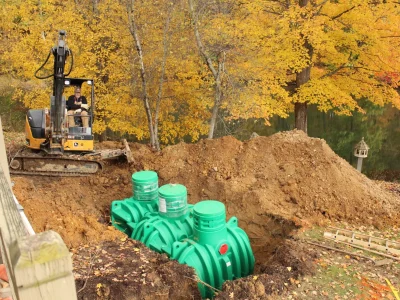

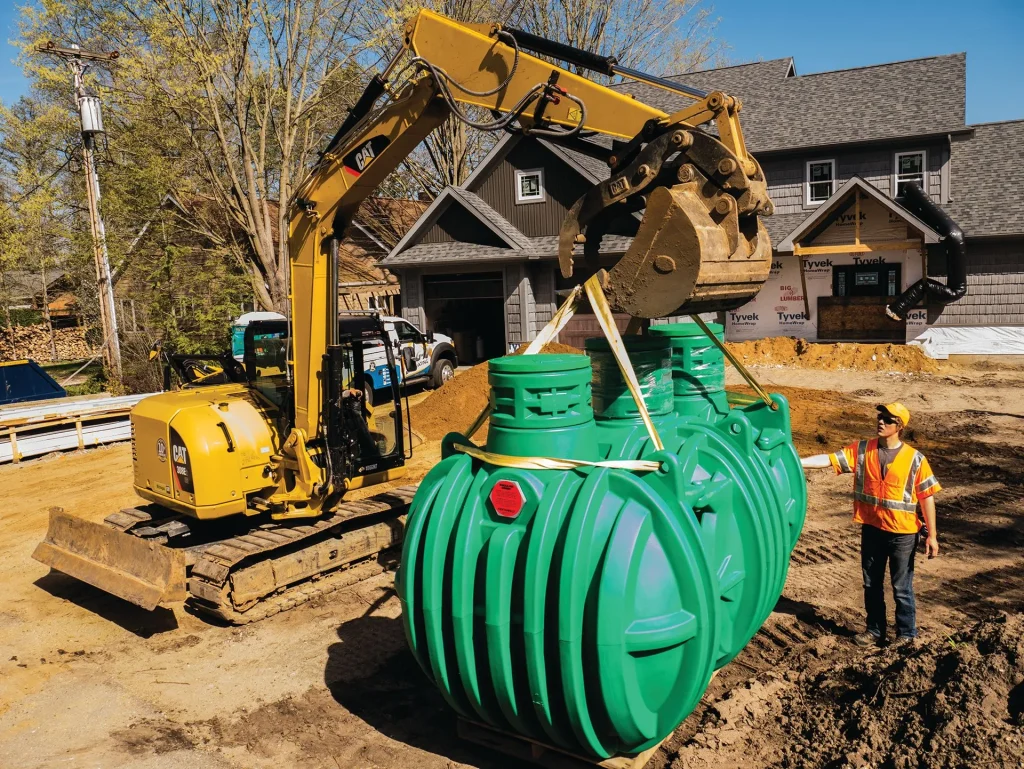
For homeowners who live beyond the reach of a municipal sewer line, wastewater is not an abstract utility issue. It is a daily systems problem, tied to property value, household comfort, environmental responsibility, and ongoing maintenance costs. That reality tends to sharpen decisions quickly. A basic septic setup may work well on the right site, but not every property has ideal soil, generous drainage area, or the margin for trial and error. That is where advanced residential treatment systems enter the conversation, and why the norweco singulair green gets serious attention from eco-conscious homeowners, designers, and installers.
The appeal is not just that it treats household wastewater. Many systems do that. The real question is how reliably a unit performs over time, how well it fits difficult sites, and whether it reduces the environmental compromises that often come with rural or semi-rural construction. In practice, those details matter far more than brochure language.
When people start researching treatment options, they usually begin with one concern and then discover three more. A family may be focused on building in a lakeside area with strict local discharge rules. Another may be dealing with shallow soils, seasonal groundwater, or a small lot where a conventional drainfield is hard to fit. Someone else may simply want a cleaner, more controlled approach than a traditional septic arrangement. The norweco singulair green tends to come up in exactly those conversations because it is designed as an aerobic treatment system, not just a holding and settling tank.
Why homeowners look beyond conventional septic
A conventional septic system is simple in concept. Solids settle, liquid moves on, and the soil handles the final polishing. On a suitable site, that can be a practical and durable approach. The problem is that many homes are not built on textbook sites. Clay-heavy soils drain poorly. High water tables limit vertical separation. Small lots squeeze layout options. Environmentally sensitive areas, especially those near streams, lakes, and coastal zones, often demand better effluent quality before water ever reaches the soil dispersal component.
That is where aerobic treatment changes the equation. Instead of relying mainly on passive settling and anaerobic breakdown, an aerobic unit introduces oxygen into the treatment process. In simple terms, that supports a different microbial environment, one that can break down waste more actively and often produce a cleaner effluent than a basic septic tank alone. Cleaner effluent can expand design possibilities and, depending on local regulations, make certain building sites feasible where a conventional system would be difficult or impossible.
The practical difference becomes obvious in the field. On marginal sites, better treatment quality can help protect the drainfield or downstream dispersal area from premature stress. That matters because the expensive part of a failure is often not the tank itself. It is the excavation, rework, permitting, and landscape disruption that follow.
What the norweco singulair green is built to do
The norweco singulair green is generally understood as a residential wastewater treatment system that uses aerobic processes to treat household sewage more thoroughly than a standard septic tank. While exact configurations can vary by model and local design requirements, the core idea stays the same: improve treatment performance before effluent moves on to final disposal or dispersal.
For an eco-conscious household, that matters for two reasons. First, improved treatment can reduce the pollutant load entering the surrounding environment. Second, it can make responsible development possible on sites where older methods are a poor fit. Those two goals often overlap. People who choose these systems are not always trying to be “green” in a branding sense. Many are simply trying to avoid contaminating their own land, nearby water, or a neighbor’s well.
One detail worth stressing is that advanced treatment systems are not magic boxes. They do not remove the need for proper design, routine service, or common-sense water use. What they can do, when correctly selected and maintained, is provide a higher degree of control than conventional septic alone.
Cleaner effluent is the headline benefit, but not the only one
If you strip away the marketing language, the strongest argument for the norweco singulair green is treatment quality. A well-functioning aerobic residential unit can reduce organic matter and suspended solids more effectively than a basic septic tank by itself. In plain terms, the water leaving the treatment stage is typically cleaner. That can translate into lower environmental impact and better downstream system performance.
For homeowners near sensitive waterways, that point lands hard. A cabin by a lake, a retirement home on a wooded lot with shallow soil, or a year-round house in a coastal county all face the same truth: poor wastewater treatment eventually shows up somewhere. It may show up as algae growth, odors, soggy soil, nuisance repairs, or inspection problems during resale. Cleaner effluent helps lower those risks.
There is also a less obvious advantage. Better treatment upstream often means less stress downstream. Drainfields and dispersal areas benefit when they receive effluent with lower solids and lower organic loading. That does not guarantee an unlimited life, and it does not excuse neglect, but it can support longer, steadier performance when the system is properly matched to the site.
A stronger fit for difficult lots
Some wastewater decisions are driven more by land constraints than by ideology. A homeowner may fully accept the idea of a conventional septic system, only to learn during site evaluation that the lot cannot support one easily. This is common on narrow parcels, infill lots, waterfront properties, and sites with restrictive soils.
In those cases, the norweco singulair green can become attractive because advanced treatment opens design flexibility. It may allow a site plan that would otherwise require a larger footprint, more imported material, or a more invasive workaround. Not every jurisdiction treats advanced systems the same way, so the exact design benefit depends on local code. Still, in real-world planning, a higher level of treatment often gives norweco singulair green the engineer more options.
That matters financially as well. People sometimes focus only on equipment cost and miss the wider project budget. If an advanced unit reduces grading complexity, preserves more usable yard space, or makes a permit achievable without major redesign, the overall numbers can look more favorable than they first appear.
I have seen homeowners resist the upfront cost of an aerobic system, then change their view once they price out alternatives involving extensive excavation, oversized dispersal layouts, or long utility extensions. The cheapest line item on paper is not always the least expensive path to a functioning, permit-compliant property.
Environmental benefit is real, but it depends on maintenance
Eco-conscious buyers are often right to ask whether “greener” wastewater equipment is truly greener in operation or just better in theory. With the norweco singulair green, the environmental upside is credible, but only if the system is maintained as intended.
Aerobic treatment relies on mechanical and biological processes working together. That means components have to remain operational, service intervals matter, and household habits still influence performance. Flushable wipes are still a bad idea. Grease still creates trouble. Harsh chemicals dumped carelessly into the drain can still disrupt treatment. In other words, advanced treatment raises capability, but it also expects a baseline level of stewardship.
That should not scare off a responsible homeowner. In practice, many people already maintain more complex home systems without complaint. Heat pumps, water treatment equipment, irrigation controls, whole-house generators, and private wells all require periodic service. Wastewater treatment deserves the same mindset. The difference is that neglect is less visible at first, which can tempt owners to postpone maintenance until symptoms appear.
The environmental case becomes strongest when the household understands that system care is part of the package. Used that way, the norweco singulair green can be a practical tool for reducing impact, not just a symbolic upgrade.
Day-to-day living with an advanced treatment system
A common fear is that a more sophisticated wastewater system will be fussy or intrusive. Most homeowners do not want to think about sewage treatment after move-in, and that is perfectly reasonable. The good news is that well-installed residential aerobic systems are generally meant to function in the background, not become a weekly hobby.
That said, there are operational realities. Because the system uses mechanical components, it will typically need power. Service access must remain clear. Routine inspections are wise, and in some jurisdictions mandatory. Pumping schedules may differ from those of a conventional tank, depending on usage patterns and solids accumulation. These are not flaws. They are the normal trade-offs that come with improved treatment.
The better way to frame it is this: you are exchanging some additional oversight for better process control. For many eco-conscious homeowners, that is a trade worth making. Especially on constrained or sensitive sites, it can be one of the smartest trades available.
A household with steady occupancy often gets the smoothest performance because flows are more predictable. Vacation homes can still work well, but intermittent use is something to discuss with the installer and service provider. Any biological treatment system responds best when the operating pattern is understood and built into the management plan.
Long-term property value and permitting confidence
Wastewater systems rarely become the centerpiece of a home sale, but they can certainly derail one. Buyers get nervous when a property has unresolved sewage issues, outdated records, or signs of recurring drainfield problems. On the other hand, a documented, professionally maintained advanced treatment system can strengthen buyer confidence, especially in regions where on-site wastewater is common and buyers understand the stakes.
For newer homes, choosing a system like the norweco singulair green may also support smoother interactions with permitting authorities on difficult sites. Again, this depends on local rules, but regulators often care less about branding than about demonstrated treatment approach, approved design, and serviceability. A system that fits recognized performance expectations and comes with a clear maintenance pathway is easier to defend than an improvised solution.
There is also a lifestyle value that does not show up neatly on a spreadsheet. Homeowners sleep better when they know their wastewater setup is not one storm or one holiday weekend away from trouble. That confidence has real worth, especially for families living near water or relying on a private well.
Costs, trade-offs, and where expectations should stay realistic
No honest discussion of the norweco singulair green should pretend there are only upsides. Advanced treatment systems generally cost more upfront than basic septic tanks. Installation complexity may be higher. Ongoing service is part of ownership. Electrical dependence means that outages can matter, and alarm or control components are not decorative extras, they are part of the system’s health.
Those costs and trade-offs do not negate the benefits. They simply define the kind of owner and property for which the system makes sense.
The best candidates usually share a few traits:
- the lot has constraints that make conventional septic difficult or less desirable
- local environmental sensitivity calls for better treatment performance
- the owner is comfortable with scheduled service and documentation
- preserving usable yard area or meeting permit requirements has real value
- the household wants a more managed wastewater approach, not the bare minimum
If none of those points apply, a simpler septic design may remain the better choice. There is no virtue in overbuilding a wastewater system for a property that does not need it. Good design is about fitness for purpose, not prestige.
Another realistic point involves lifespan. Homeowners often ask whether an advanced unit will “last longer” than a conventional system. That is not a clean yes-or-no question. Individual components have different service lives, and downstream performance depends on maintenance, loading, water habits, and site conditions. In practice, a properly maintained advanced treatment system can protect the dispersal area better than untreated or poorly treated effluent would. But no wastewater system is immune to misuse.
Installation quality matters as much as the equipment
One of the most common mistakes in this category is treating product selection as the whole decision. It is not. The difference between a smooth ownership experience and years of frustration often comes down to design quality, installation discipline, and local service support.
A good installer pays attention to more than hole depth and pipe slope. They consider soil conditions, groundwater behavior, access for future service, alarm visibility, homeowner education, and realistic usage patterns. They coordinate with the designer, not just the excavator. They also leave behind records and explain what normal operation looks like.
I have seen advanced systems earn an unfair reputation because they were dropped into marginal conditions without enough planning. The equipment then gets blamed for a design or maintenance failure upstream of it. That is why homeowners should resist making a choice based on unit price alone.
A better set of questions sounds like this:
- Who will service the system locally after installation?
- How often should the unit be inspected under normal residential use?
- What homeowner actions most often cause preventable problems?
- How will alarms or malfunctions be communicated?
- What records should be kept for warranty, resale, or compliance?
Those questions reveal more about future satisfaction than a sales brochure ever will.
How it aligns with an eco-conscious home, beyond wastewater alone
People building greener homes often focus first on visible features such as insulation, windows, solar panels, low-flow fixtures, and heat pumps. Wastewater rarely receives the same enthusiasm because it is buried, regulated, and easy to ignore. But from an environmental standpoint, on-site wastewater treatment deserves a place in the same conversation.
A home that conserves water but discharges poorly treated wastewater is only half finished from an ecological perspective. In that sense, the norweco singulair green fits a broader design philosophy. It complements responsible site planning, water-conscious fixtures, and long-term stewardship of land and groundwater.
There is also a practical synergy with water-saving habits. Efficient fixtures can reduce hydraulic loading, which helps many on-site systems, though low flow does not eliminate the need for proper treatment and maintenance. Thoughtful homeowners tend to approach the whole property as a system. That mindset usually leads to better outcomes than chasing isolated upgrades.
An eco-conscious home is not defined by how many “green” labels it collects. It is defined by whether the major systems, seen and unseen, reduce waste, protect local resources, and remain manageable over decades. Wastewater treatment absolutely belongs in that test.
Where this system makes the most sense
The norweco singulair green is often a sensible option when a homeowner needs more than a basic septic setup can confidently provide. Waterfront properties are a natural example. So are homes on constrained lots, properties with challenging soil conditions, and builds in jurisdictions with tighter wastewater standards. It can also make sense for owners who simply prefer a more actively managed treatment process and are willing to support it with routine service.
That last point should not be underestimated. The best ownership experiences usually come from people who understand what they bought. They are not constantly worried about the system, but they do respect it. They keep service appointments. They notice alarms. They do not treat the drain like a trash chute. As a result, the system tends to do exactly what it was chosen to do: quietly protect the home site and the environment around it.
For homeowners deciding between a standard septic design and an aerobic treatment unit, the right answer is rarely ideological. It is situational. Look at the land, the local rules, the sensitivity of the surrounding environment, the budget over ten or fifteen years, and the availability of qualified service. Then look at your own habits. If you want a low-engagement setup on an easy site, simpler may be better. If you need stronger treatment and are prepared to maintain it, the norweco singulair green can be a strong fit.
That is the real value of the system. Not hype, not novelty, and not a one-size-fits-all promise. Its value lies in giving eco-conscious homes a more controlled, more protective way to handle one of the least glamorous but most important parts of living responsibly on the land.
Excavating New Jersey LLC
406 County Rd 565, Wantage, NJ 07461, United States
+1 973-791-4284
FAQ About norweco singulair green
How much does a NORWECO septic system cost?
The installed cost depends on the selected unit, engineering, site access, excavation, electrical work, disposal-field design and required approvals. A tank-only price is not a complete installation quote. Ask Excavating New Jersey LLC for a site-specific, itemized estimate that also explains ongoing service costs.
How does a Norweco septic system work?
The Singulair Green uses pretreatment, aeration, clarification and filtration to treat domestic wastewater. In the aeration chamber, oxygen supports bacteria that break down organic material. The Bio-Kinetic unit provides further filtration and flow equalization. Final effluent disposal must follow the property's approved design and applicable requirements.
What is the average lifespan of a septic system?
There is no guaranteed lifespan for every system. Design, installation, soil conditions, wastewater loading and regular maintenance all matter, and mechanical parts may need replacement before the tank. For a Singulair Green system, follow the manufacturer's service schedule and have a qualified provider assess its condition and pumping needs.